
Going Against the Grain
A Formula to Change and Reverse Self-Destructive Behaviors
by
Book Cover & Preview Text
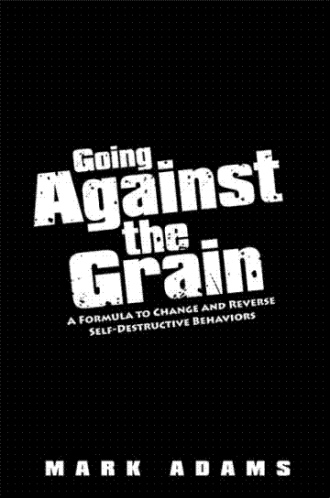
Self-destructive behavior that began as a result of a dysfunctional environment can become habitual. Even though you know the behavior is destructive, you may feel compelled to continue it. In many cases it can become “second nature,” which, even though the behavior produces discomfort, feels natural. Smoking, overeating, and excessive drinking are common examples of self-destructive actions that become very hard habits to break. Continuing self-destructive relationships with highly critical partners may feel hurtful, but also may have become habitual. Destructive habits usually start in our early years and continue to blossom as we age. They all seem to feed into our hurt “inner child” and, although they may feel soothing or exciting at the moment, they are generally injurious to our emotional and physical health. The man or woman who was abused as a child acts out the self-loathing messages given to him or her by the abusing environment. “Going against the grain” simply means changing behavior that may feel good at the time but is surely self-destructive. In chapter fourteen I outlined the steps to take that start the process of change. In this chapter I am bringing it all together so the reader can better understand not only how to “go against the grain,” but to believe in the process to do so. Life can be quite simple and complicated at the same time. Most people who have been successful in their endeavors did not get there overnight. The accomplished opera singer spent many years perfecting his or her craft. Most of us can look back and recognize that it took years to improve whatever endeavor we might presently continue to pursue. There usually is no instant cure. Healing takes time, effort, and patience.
Formats

Book Details
About the Book
This book is a culmination of the thirty years that the author spent helping clients change and reverse their self destructive behaviors. The formula presented in this book was formed as a result of helping clients understand how trauma affected their behavior and what needed to be done to reverse and change unhealthy behavior. Mark Adams witnessed those changes among his clients and was therefore able to personally construct the formula presented in this book for all to use.
About the Author
Mark Adams attended the University of Stony Brook at