
VIETNAM: ONE SOLDIER'S EXPERIENCE
by
Book Cover & Preview Text
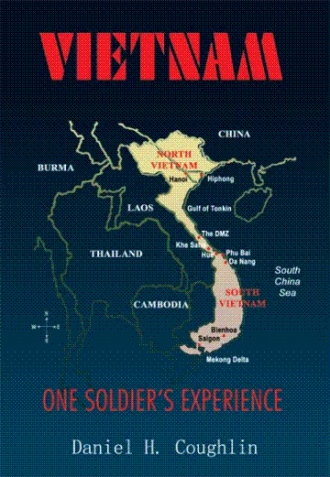
I served with the 82nd Airborne, combat infantry, in
Although it has been over twenty years since my return, I find more and more people asking me about
I was slightly wounded but never put in for a purple heart and I did kill, but by answering these questions you do not explain your combat experience. The only people who can identify with a combat veteran is another combat veteran, regardless of the war in which they fought. The only people who can really understand the Vietnam Combat Soldier is another Vietnam Combat Soldier. It makes no difference whether the person was wounded or if they ever killed anyone, if they were with a combat unit they can relate to the experience.
If this premise is true, that only one who experienced combat can understand combat, why am I writing this book? It’s like having a toothache. If you ever had a serious toothache, you know the pain that you experienced. If you talk to someone who had one they can immediately relate to your situation but if you talk to someone who has never had a toothache they cannot really understand what you are going through. If someone wrote a detailed account of what it is like to have a toothache the non-tooth combatant will be better able to understand the situation, but without experiencing it they will never fully understand the pain. Like a woman who gives birth, as a man, I will never understand the pain or the joy that a women experiences. Through books, documentaries, and personal experience with childbearing women, I can come closer in my understanding of the experience but I will never really know what it is like to have a baby.
Through this book I hope to be able to take a person who is interested in the
The 82nd Airborne was sent to
The military broke
I spent my first four months in I Core. The geography there was mountainous. There was very thick foliage in places. You had what was called double or triple canopies, that is, trees that grow and overlap with each other where you could not see the sky.They did not cover the whole area but were prevalent in many parts of I Core. This type of geography made it difficult to coordinate activities, supply could be a problem, at times you had to blast away trees in order to clear an L.Z. (Landing Zone for helicopters) Sometimes there was no place for an L.Z., food would run short, ammunition would run low, wounded would have to be carried in makeshift stretchers until they could be evacuated besides all this, you fought a different type of war up north. The main enemy that you encounter was the N.V.A. (North Vietnamese Army). These were disciplined, trained soldiers that worked as a regular army unit. When you engaged the enemy you fought a conventional type of war.
Formats

Book Details
About the Book
The Third Brigade of the 82nd Airborne was sent to
About the Author
Danny Coughlin is a highly decorated Combat Veteran who served in
Editor's Note: Danny Coughlin wrote this book nearly twenty years ago but choose not to release it at that time. When asked why he released it now he replied "I used some excerpts from the manuscript in one of my classes and the response was overwhelming. The enthusiasm and thirst for knowledge about the subject brought me to a realization that this is a story that should be told."