
THE LADY AND THE TIGER
A memoir of Taiwan, the Republic of China
by
Book Cover & Preview Text
Quarters A.
November 1978
Fists pounded on the great red lacquered doors of Quarters A. The gabble of Chinese threats nearly drowned out the insanely repetitive strains of Auled Lang Syne, played at top volume from a sound truck parked on the other side of our front stone wall. “Should old acquaintance be forgot?”— an angry choice and one that clearly stated the mob’s opinion of the Carter administration’s foreign policy. I had heard its message for twenty-two hours without pause and knew the meaning of Chinese water torture. Crouched with The Girls, our two dogs, Suzie and Boom Boom on the sitting room floor, our heads below the windowsills, I heard the crack of rock against rock as the hysterical mob stoned Quarters A. The phones rang incessantly with no one on the other end.
We were alone – the three of us. Earlier in the morning, I sent the house staff home for their own safety and at the U.S. Embassy, far down into the heart of
The world was upside down.
On December fifteenth, President Carter had failed to renew the Mutual Taiwan Defense Treaty, a treaty that had lasted for thirty years between the
They had been sold out.
Our presence was no longer viable. In just a few days, on
Within the next few months, one after another, the
My husband’s Command would end, the
The noise increased. The Chinese guards on the iron gates of our driveway had opened them to the
Formats



Book Details
About the Book
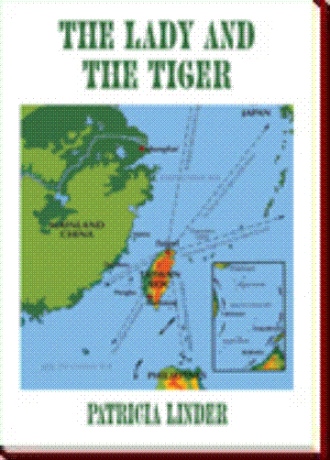
Patricia Linder’s newest book The Lady and the Tiger gives the reader and in-depth account of life in a foreign country during a politically uncertain time. The setting is
Rear Admiral James Linder, representing the
As the author deals with the challenges of the ways of the
This is the story of a virtually unknown chapter of American history.
About the Author
The Lady and the Tiger is author Patricia Linder’s newest book, based on the life of a military wife caught in the middle of an international intrigue in the
During her husband’s career as a Naval Officer, she spent many years, traveling through
The author’s latest book describes the frightening aspects of being in the right place at the wrong time, but by using her pragmatic
If you wish to contact the author, please use the residence address: