
Breaking Strain
by
Book Cover & Preview Text
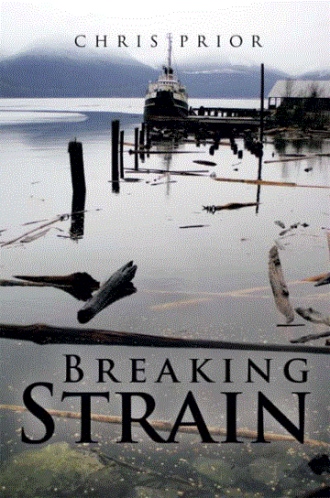
An iron cliff charged out of the fog without warning. Pushing a huge bow wave, it headed directly at me as I stood at the wheel of my tugboat. The navigation rules of the sea generally keep ships from colliding with each other, but they weren’t going to cater for this!
There had been no message on the VHF radio, no traffic warning from the Canadian radar operations centre, and no bloody blast on the ship’s whistle as the rules require in fog.
I spun the wheel rapidly to starboard as I jerked on the wire that sounded our whistle. It gave its mechanical scream. At the same time I jammed the throttle levers of my twin
Written high above my horrified gaze in rusted white letters was the vessel’s name: M.V. Esme. A name that changed my hopes and plans forever.
The Esme’s towering bow-wave broke against our prow in a burst of spray, drowning the small foredeck under solid green water. Immediately daylight vanished as the sheer, scarred iron wall slammed into our stubby bow, which, under the influence of the wheel, had begun moving sharply to the right. The direction of the impact served to convert the upward movement of the bow into a sideways flip.
As the tug rolled onto her right-hand side, the starboard wheelhouse door, which had been unlatched, swung wide-open, showing a view of white disturbed water below.
A grinding jar from the Esme’s flank then converted the roll into a somersault as the tug reared upward like a stallion. The movement dislodged my grip on the wheel and, losing my balance on the sharply canting deck, I fell clean through the wheelhouse door into the foaming water.
The tug showed its red painted keel to the world, the barge it had been towing, laden with 2,000 tonnes of wood-chips, continued the momentum it had built up behind the tug and became a major instrument of further destruction. It rode over the top of the inverted tug, burying her under its bluff leading edge in the freezing waters of the channel. Passing over the keel of the tug, it then met the bulbous bow of the bulk-carrier and, buckling the freighter’s steel like cardboard with a rending sound of tortured metal, it peeled the steel skin of the bow, forepeak tank, and first twenty feet of the Esme backwards like the top of a can of corned beef.
The barge stopped the Esme dead in the water for a brief earth-shattering moment, before the superior momentum of the larger vessel made its influence known, and, brushing the barge contemptuously out of its way, it surged on.
I went down a long way. Before losing my grip on the wheel, the enormity of the scene unfolding in front of me had triggered all the flight responses that had been programmed into human beings thousands of years ago. The blood had started to drain from my body; I had exhaled all the air in my lungs to shout warning, instructions – anything! The scale of the consequences of the tug’s death roll had begun their movie-like projection against the blank screen of my mind. And the brooding bulk of the following barge with the havoc it promised to wreak never left my thoughts for a moment. As I plunged into the cold, green depths, my body was in no state to make the appropriate movements to guarantee survival.
Formats

Book Details
About the Book
Rob Wilson is run down by a malfunctioning freighter as he pilots his restored tugboat on its maiden voyage around Vancouver Island in
In surviving Rob learns of Imogen’s family relationship with Lord East, the chairman of the shipping company which owns the freighter.
Lord East persuades Rob to help him tackle the Syndicate, a shadowy group of businessman who are putting the reputation of his shipping group at risk by using it as a front to run poorly maintained ships for profit. He comes up against Hugo Bromberg an ambitious and ruthless high-flier, who tries violently to pin the blame for the collision on Rob before the court of enquiry meets in
Rob discovers that the Syndicate are using their ships for a more sinister purpose which pitches him into danger as they attempt to prevent him from disclosing his knowledge at the enquiry. The ensuing dramatic fight for justice and restitution brings Rob both risk and love as the real enemy is finally revealed.
About the Author
Chris Prior spent six years at sea in the 1970’s when post-war cargo ships were being replaced by containerization. As such he caught the last days of traditional seafaring.
After studying at both Southampton and
Chris lives with his family in