
Life as a Riggan
Riggon: A Journey from Enslavement to Freedom by a Jamaican Family
by
Book Cover & Preview Text
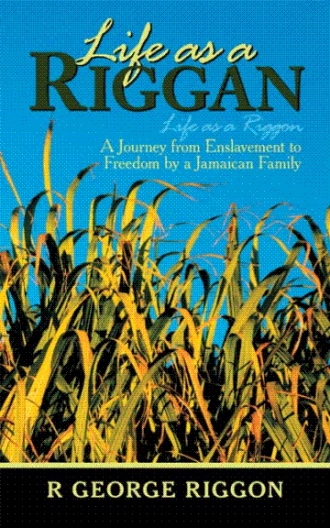
“Fredom to roam
in the wide open space of the communal yard was the very first experience of
the boy. In his young mind he could conceive only of days without restriction
on his desire to play.”
“The boy grew up
to know that he was born free. He knew that he was a native son of the vast
continent of
“By the late
1790s tribal villages had become aware of the growing demand from
“Young African
men and women were the prime targets for the traders along the tribal
territories and villages near the west coast. The boy had reached seven years
when he came into contact with European slave catchers.”
“The boy would no
longer walk in the freedom of his childhood under the African sun. He would no
longer be a child. He would no longer be free.”
“Through trade
and sale transaction he had reached the slave plantation of a family who was
descended from
“The slave
plantations near the
“The average
lifespan o f a slave was around thirty-five years. George was now around thirty
years old and desired a wife.”
“House slaves
were becoming aware of the increase in meetings taking place between estate
owners and suited men from the government during recent weeks especially. They
were also aware that some of the children in the family had been sent away on
journeys and that they were not expected to return. But they were quite unaware
of exactly when they would be freed from their captivity and servitude.”
“The new freedom
that George found came after a continuous period of more that three hundred and
fifty years when black Africans were stolen from their homeland by Europeans
and forcibly transported into slavery on colonies secured from indigenous
tribal peoples in North America, Central and South America and the Caribbean. “
“More than one
million captive Africans were delivered to the slave plantations of the island
through the main ports of
“George Jnr. was
of the generation born free after the slave emancipation. He did not agree that
exslaves should continue to be held in the debt of their previous owners. He
had made his intention to migrate westward known to his older brother Peter. But Peter was not of
the same intention and he remained in the parish of Trelawny with their mother
and fatherwhile George Jnr. set off in anger on his journey westward of the
Formats

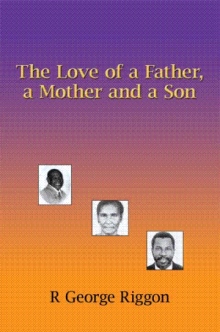
Book Details
About the Book
Life as a Riggan
A Journey From Enslavement to Freedom by a Jamaican Family
In 1807 the British Parliament bowed to pressure to place a legal ban on the trade in young able bodied African men and women.
About the Author
Born into a migrant
Jamaican family, R. George Riggon started out on a personal quest to trace the
historical movement and roots of his own family in searches that involved the
use of historical records of births, deaths and marriages in Africa, Jamaica,
USA, Canada and Britain. A desire to explore and share the rich source of
historical information on African and Caribbean family genealogy between as
many people as possible was the main motivation behind these works.