
A Moses For Urban America
by
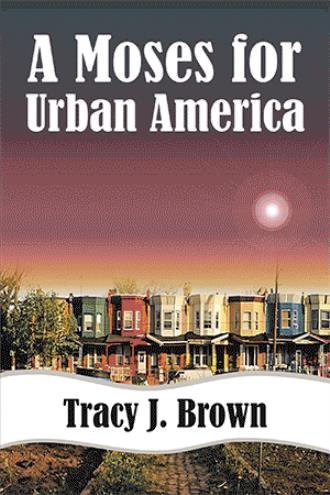
Book Cover & Preview Text
We realize that the key to our community is the church. The Black church is the only Black institution that has successfully survived the many obstacles hurled at it. It has survived slavery, post-slavery, and government-directed neglect. With such a track record of survival, it is the most qualified institution to empower the African-American urban community.
The Black church serves as the center of the African-American community's spiritual growth, and time will prove that the Black church will be the center of the African-American community's economic growth as well. There is no greater or more powerful institution that exists today for any group of people than that of the Black church. Where secular mentoring and conventional social services programs for poor urban youth typically end, churches and religious outreach ministries often begin, especially in predominantly Black communities.
The Black church has a unique and distinctively powerful youth and community outreach tradition. Indeed, the Black church's historic role in providing African Americans with education, social services, and a safe gathering place prefigured its historic role in the Civil Rights movement.
After the Civil War of 1861-65, there was a period when the hidden plantation church integrated with the church of the free Blacks, and life was organized and structured as never before. The influence of this period was very important. Whatever organized social life there had been in
The Negro church of today is the social center of Negro life in the
Historically, the Black church has been a place of worship as well as a social center for the Black community. Now we need the church more than ever. We need to have a unified outlook on how the Black church can regain our urban communities. Many churches are providing social services to the community. However, we need to go to the next level to work with a model program that can have a major impact throughout urban
Formats


Book Details
About the Book
A Moses for Urban America is a nonfiction book that delves into the life of Tracy J. Brown, narrating his journey from poverty to a mission of educating, motivating, and leading individuals who feel ensnared by the contemporary economic and social system that Tracy refers to as the new modern-day Pharaoh. Tracy provides valuable tools and resources for urban community non-profits and urban churches to enhance and empower Urban America. )