
A Time To Dance A Time To Run
by
Book Cover & Preview Text
It was always startling to watch from a distance as the trains would leave the hillside and seem to float through the middle of
Maria and her mother lived in the suburb of
One warm spring evening after dinner, Maria and her mother were looking out their window at the serene valley. Anna was knitting while Maria was lost in her thoughts about Spectre de la Rose, the ballet she was working on. The smell of warm bread from the bakery a few buildings down the street mingled with the sweet fragrance of spring buds that drifted through the windowsill on a light breeze. Through the din of the city, they heard the yelps of playing children. An anonymous trolley clanked along the street urged on by the occasional honk of a horn. The lazy clop of horses’ hooves would start and stop as some delivery wagon made its way through the neighborhood. Maria thought it was wonderful to sit and think as the city was putting itself to bed. The familiar sounds of the city rekindled her longing for
Suddenly, the tranquillity was interrupted by the distinct hum of bombers in the distance. Simultaneously, the frightful wail of the air-raid sirens wrapped itself around the city and pierced into the darkness like a dagger made of sound. The bombers had been arriving at about this time in the evening for about a week or so. The people had been informed that they were relatively safe in
Maria’s mother was immediately snapped out of her daydreaming. She and her mother knew the war was raging, but these flights were a jarring harsh reminder of how lucky they were to live in
Formats

Book Details
About the Book
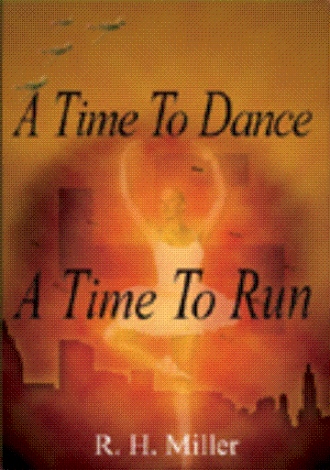
A Time to Dance A Time to Run, is a story based on Maria, a gifted German prima ballerina who is breathtaking and graceful on the stage—scrambling and scurrying on the streets—streets that first echo the clicks of Nazi boots, and then melt when allied bombs collapse the sky and incinerate the cities.
Forging a career in dance is difficult enough for her, but with gutted theaters, disrupted performances, destroyed costumes, and a ration of ¼ pound of meat per month, it is unimaginable how she could survive. Through all this, she is loved and admired for her sense of humor in addition to her elegance and talent, which propel her to renown.
Fleeing to the
As the Allies occupy her country, Maria is startled by the admiration of an American officer who sees her dance, and wants to meet her. Their courtship flowers into love in spite of the fact that the war deems them enemies. He helps her establish a troupe of entertainers who bring some relief to the Germans of post war devastation, and ultimately brings her and their child to
About the Author
Before becoming an author, R. H. Miller spent a rewarding career as a college Department Chair/Professor helping students achieve academic success. He enjoys life with his wife of 35 years at their home on the shores of