
THE PIT STOP
by
Book Cover & Preview Text
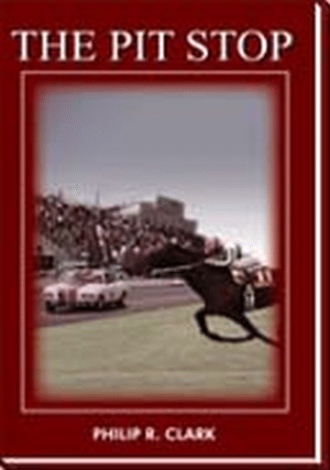
It was way out on
Mike Martin, an employee of Aztec Oil was responsible for the upkeep of
existing operating wells as well as those that were capped. Aztec Oil, a
Limited Partnership, had, for better or worse, probably for tax avoidance
purposes, bought the small field in 1980. It is doubtful if they had pumped a
thousand barrels of oil any year out of the ground in the ensuing time.
This did not stop the innovative and energetic Mike Martin, who was the
only full time employee, with one part time assistant, from using his ingenuity
to convert the “tool barn” into the “Pit Stop” in the old oil patch. He found a
way to turn the barn into an exclusive gathering place for young partygoers on
Thursdays, Fridays and Saturdays during football season and on Fridays and
Saturdays during the balance of the year. He had been doing this without any
interference from anyone, the owners or the law.
The “Pit Stop”, appropriately named after the now defunct race track,
had only a most exclusive clientele.
They came from the better high schools in the
Martin had few rules that he could enforce, but he did have a couple.
These were No Hard Stuff, meaning hard liquor or dope of any kind. A few tokes could be overlooked,
after all it was the narcotic of choice, almost universally accepted in the
circles of his clientele.
Inside of the “Pit Stop” were four bar areas, one at each end and side
wall of the cavernous building. Each had a large Coca-Cola cooler filled with
ice and beer, long necks and cans, regular and light, an assortment of soft
drinks all iced to almost freezing. There were six bottles or cans for each
attendee. At one end of the room was a juke box with all of the latest records.
The coin slots had been adjusted so that each piece cost fifty cents and it
played loudly and continually. It had turned out to be quite a profit center. There
were dispensing machines with crackers and cheese, peanuts, chips and the like,
all priced at a dollar each, another profit center. The cigarette machine had
all brands at five dollars a pack. His intent was to make it as alluring and
contemporary as possible for the obvious reasons. He felt that unless he was
extremely lucky this type of operation was destined to be short lived. To his
surprise after two and a half years, almost, he was still operating.
Mike kept his job at Aztec Oil, and the $357.80 weekly take home pay,
but the big bucks came from “The Pit”, where his take home amounted to
$12,000,00 to $15,000.00 per week-end. He certainly didn’t need the $357.80,
but without it there would be no “Pit Stop” and the monies that followed it.
At first he worried about the law, after all he was in the city limits
of
So when the BMW’s, Mercedes, Mustangs, customized trucks, Audi’s and
Volvo’s came through the gates, Mike Martin only worried about the cash he
would take in. His holster pistol, for which he had a license to carry, was
plainly visible as was the night stick attached to his belt, and he hoped that
this would be adequate to deter any possible trouble he might encounter. As
people came in, he made frequent trips to his own vehicle, where he kept a
small safe in which he kept his cash as it accumulated.
Formats







Book Details
About the Book
ONCE IT HAD BEEN A THOROUGHBRED
RACE TRACK, THEN IT W AS A MIDGET AUTO RACE TRACK AND LAST IT BECAME AN OIL
FIELD. IT WAS PUMPED TO NEAR DEPLETION AND THE FEW WELLS THAT WERE STILL ACTIVE
WERE MANAGED BY AN AMBITIOUS MAN WITH AN UNUSUAL IDEA. HE CONVERTED THE OLD
TOOL HOUSE TO A PRIVATE CLUB CATERING TO YOUNG PEOPLE, BASICALLY THOSE FROM THE
MORE UPSCALE WEST HOUSTON NEIGHBORHOOD,. MOST WERE
COLLEGE STUDENTS AND EVEN SOME HIGH SCHOOL PUPILS. THEIR AGES WERE NEVER
CHECKED.. THE BEER AND SOFT DRINKS WERE FREE, AS THEY WERE INCLUDED IN THE
"COVER CHARGE,"
THE POLICE WERE UNAWARE OF THE
OPERATION AS IT WAS IN A SECLUDED AREA AT THE END OF A DEAD END AND SELDOM USED
SERVICE ROAD. THINGS WENT WELL FOR THE OPERATOR AS HE ACCUMULATED A GREAT DEAL
OF PERSONAL WEALTH OPERATING THE ’CLUB’ – ‘THE PIT STOP’, UNBEKNOWN TO THE
DISINTERESTED AND ABSENTEE OWNERS OF THE COMPANY. HE OPERATED IT ON WEEK-ENDS
FOR OVER TWO YEARS. THEN ONE OF THE PARTYGOERS W AS FOUND DEAD UNDER A NEARBY
BRIDGE. IT MEANT LITTLE OTHER THAN THE DEAD GIRL WAS THE DAUGHTER OF ONE OF THE
OWNERS. THEN A SECOND VICTIM, ANOTHER GIRL FAMILIAR WITH THE “PIT STOP” WAS
FOUND, THEN ANOTHER. THE POLICE WERE REASONABLY SURE THAT THEY WERE RELATED.
THE COMMON DENOMETER WAS “THE PIT STOP’ BUT MANY THINGS WOULD HAPPEN BEFORE THE
POLICE WERE ABLE TO LOCATE THE MURDERER. THERE ARE SUPRISES UP TO THE END, BUT
THR READER WILL BE STARTLED BUT THE SAD ALMOST POIGNANT END OF THE BOOK.
About the Author
HE WAS BORN IN 1923 AND EDUCATED
IN