
HOPE FOR HEALING LIVER DISEASE IN YOUR DOG
by
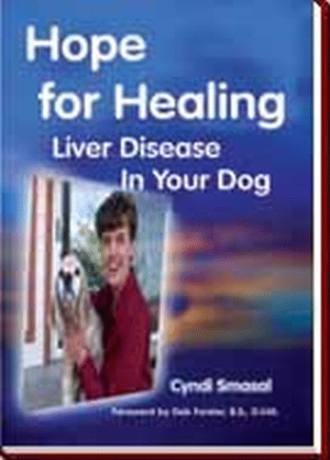
Book Cover & Preview Text
In
my 20 plus years as a veterinary practitioner, I’ve treated many cases of liver
disease, and I’ve followed both conventional and alternative methods of
healing. In these pages, Cyndi Smasal has compiled an excellent guide to help treat liver
disease in dogs, our best friends and companions. And, it’s in a great format that will allow
readers to download it off the World Wide Web. I started working with Cyndi and
Deb
Forster, B.S., D.V.M.
Phone:
(512) 757-4559
Email:
DrDeb@hopeforhealing.com
Chapter 1 –
“Blessed is the person who has earned the love of an
old dog.”
– Sydney Jeanne Seward
It
was close to Christmas 2001 and something inside me kept telling me that there
was something wrong with
Formats

Book Details
About the Book
"This is a PHENOMENAL piece of
work!"
In
this valuable book, you're going to hear first hand the inspiring story about
how Norman (a 10 1/2 year old cocker spaniel) and his owner Cyndi Smasal battled against canine liver disease. The vet gave
You'll
find a wealth of information from her research in this easy to read, concise
book that fills a tremendous need in the pet-lover community. In these pages, you'll discover…
*
Why liver disease is usually well advanced before any symptoms are noticed.
*
The food & supplements that protect, reverse and
heal liver damage.
*
How to create your own homemade dog food recipes that are just right for your
dog.
*
The miracle diet that inspired this book.
*
How to care for your sick dog.
*
How to treat liver related illnesses that might come up.
*
What symptoms to watch out for.
*
And more…
This
book is by no means the answer to all of your dog’s needs, but it's a great
resource for you and a qualified veterinarian.
About the Author
Cyndi
Smasal has
been successfully caring for her "liver dog"
About
John "Norman" City-Slicker Smasal is an AKC registered Cocker Spaniel born