
E-Mail For Lovers
by
Book Cover & Preview Text
I print it and read it again and again. What a most literary message! The suggestions for my thesis are good. The only thing that irritates me is that he believes that we women are still oppressed, although he does have a point. I thought about the three different names that were attributed to Malinche: she was
Okay, she betrayed the Aztecs, and well did they deserve it. At any rate, I sympathize with her. Some of my friends consider me a “malinchista” because I married a foreigner and no longer live in my homeland. But many of the social, political and literary events that occur there concern me and I try to stay as informed as possible whenever I go back to visit.
Formats

Book Details
About the Book
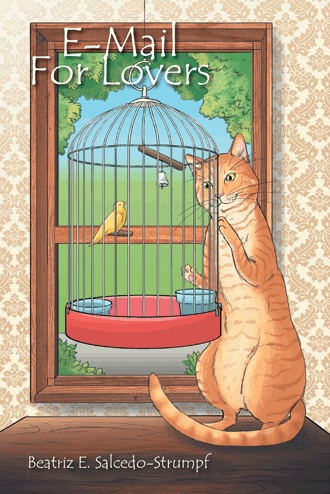
Played out against the background of today’s instant communication via internet, this a story of a woman who comes face to face with emotional and cultural questions when a chance meeting with a lover from her past reopens repressed feelings and exposes the scars of earlier wounds. Milagros our heroine, is truly a “miracle” as her Spanish name implies, struggling to find her way in a world that is often alien and always gender-hostile. In an attempt to escape the machista environment of her native
About the Author
I was born in
My first novel, E-mail for Lovers
was published in Spanish in 2000 by Editorial Nuevo Espacio. Currently, am writing short stories and
working on my second novel, E-mail for Gossipers, and finishing my doctoral
dissertation at