
Y'Reckon?
by
Book Cover & Preview Text
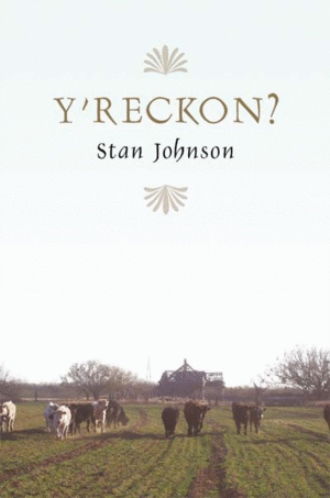
You’ll laugh and cry and remember and think about things from all these stories:
“We always envied the kids who lived in or near town (Palava) because they could be at the gin any time they wanted to. They got to hang around all the farmers who had brought cotton in and hear all the news and cussing and everything. The big galvanized pipe that sucked the cotton up was awesome. We heard many tales of hats, caps and maybe one kid lost up the suction. The gin at Palava---it really was truly awesome to a small country boy.”
From “The Gin”
“Oh, my gosh, y’all, listen! You’re not going to believe this. It is sooo scary! Durrell Wayne and Gwenna Fay were parking out by
From “The Hook Man”
The groceries probably cost a lot for those times, but guess what? They were groceries. Of all the bills we just paid, which ones did they have? Coal oil instead of electricity, which includes wiring, bulbs and appliances, and on and on. Maybe a doctor or dentist bill, possibly an attorney’s bill for a deed, will or whatever, property taxes, shoes and clothing, expenses to a lumberyard and blacksmith.
From “What Our Folks Didn’t Have in 1900”
Nineteen Hundred and Nineteen created an attitude among some farmers that they would never see another poor day. They also heard the rumor that the price of cotton would go to two dollars a pound. This, of course, led to farmers pledging paid-for farms as collateral to buy more farms, and get bigger and bigger. After all, they said, cotton was going up to two dollars. This was a little less than ten years before October 29, 1929.
From “Hard Farming”
“I can remember when it looked like Mama wasn’t going to let me go home church with someone because I had on my Sunday clothes. Usually the other boy’s mother would say it was okay because her son had some extra play clothes I could borrow. It seemed like they were always too big or too little, which really didn’t matter. I still think about this and sometimes when I get ready to go someplace where I need to look nice and don’t think I do, I’ll ask
From “Sunday Afternoon”
Sundays were really Sundays back then, as in special days. Practically everyone we knew of put on Sunday clothes and went to Sunday School and church. Some of the women cooked early and left the food in the oven, or even left it cooking in the oven, which could cause a great deal of consternation if the preacher preached too long or if anything held up the church service.
Formats

Book Details
About the Book
After several years of writing newspaper columns, comments from readers caused me to realize that a published book of these columns might be welcomed by readers who wanted to read them again or give them as gifts. My first two collections, J'Ever Notice? and 'Zat Right? were well received. It is my wish that these stories will bring my readers the same nostalgic entertainment and humor, both of which are wonderfully healing. Let me tell you more country stories about old tractors and cars, farming, kids, storms, time, early radio programs, some old scary stories, teachers, cotton gins, old diaries, how things were one hundred years ago, hard doings, dry times, going from boom to bust, horses, dogs, trail drives, and wash pots, as well as some others about reunions, cemetery workings, going to church in the country, families and kinfolks
About the Author
Stan Johnson was born in 1941 in