
Male Circumcision and Initiation in Rural Africa
Autobiography, Culture and Traditions
by
Book Cover & Preview Text
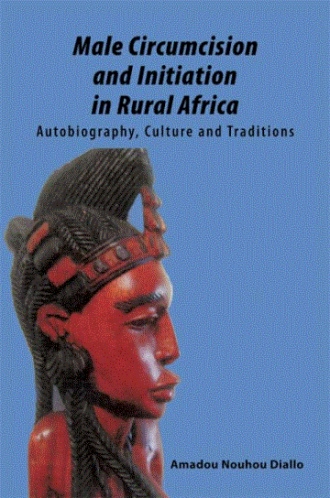
In
Very frequently in
The young boy who cames with his father or his uncle to the field, to hunt or to go fishing, the little girl who helps her mother, who goes with her to the well, receive not only a technical instruction but all sorts of information on the natural habitat or the social life. The pretext is generally found in the task that they are accomplishing or made on the way meetings. The grandparents, anxious to assure the continuity of the tradition, appear always available to transmit their knowledge. It's theirs that are incumbent upon the more the transmission of the tradition to the children according to wisdom procured by age. By a psychological game, they always manage to put the children at ease and to motivate them to listen attentively. They appear everywhere as important educational agents in the domains that didn't directly milk the productivity, and in particular in the oral teaching.
They always make the distinction between those that deserves to be brought to the attention of the children and those of which, by their nature and their effects, deserve to be kept secret until the children reach the adult age. Their role is not at all negligible as regards to the actual social integration.
Formats

Book Details
About the Book
This book not only gives you an idea about male circumcision in rural
About the Author
Amadou Nouhou Diallo is a former high public servant of the Republic of Guinea-conakry (
He is also a man familiar with African customs and traditions. In this book, his rich and passionate narrations suggest this well. He affirms with confidence that oral tradition had a precise mission before the advent of the writing in