
Motherland Afrika
The Footprint of a Generation: Revised Edition
by
Book Cover & Preview Text
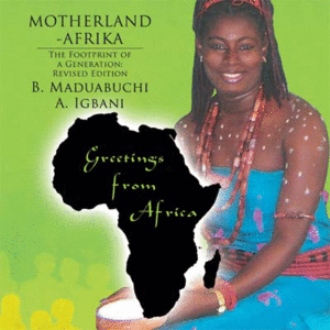
For centuries before our own supposedly enlightened one,
Igbani, a
"Riches of nature drew the wealthy, the powerful and the treacherous, including the adventurers from all over the European countries into the continent of
It is amazing that, within so few pages - substantial portions of which contain colorful pictures of
The importance of marriage, and the revelation that, for the elders, it is not merely two individuals being joined, but "two families decided to unite in matrimony." And to marvel that something entered into in "good faith should not carry a price tag." In the town of
Feminists might bridle at the news that in
There is also information on African food and its preparation, systems of government, schools and burial rites of passage. An entire chapter is concerned with aesthetic values and the important place music and dance, as well as traditional festivals, have in
"Motherland-Afrika, The Footprint of a Generation" is literary and visual proof that enchantment, information and surprises can co-exist in a wonderful way. The section on "Proverbs and Idioms" was an eye-opening experience for me, confirming - in a totally unexpected way - the realization that similarities are infinitely more common than differences. Just read the following African proverbs, and continue to believe that the continent of
"One cannot count one's chickens before they hatch. One does not assume the best outcome until the deed is done." Or:
"Put your money where your mouth is." Or:
"You cut your nose to spite your face. Neglecting the reality or the apparent contribution of the other person in order to despise them." Or:
"A word is enough for the wise." And the ultimate truth, slightly altered: "Live and let's live."
This is just a taste; there are three pages of these proverbs to live by.
"Motherland's" final chapter has to do with cultural diversity and misconceptions, and these closing sentences are worthy of being quoted:
"?Let there be increased awareness to the contribution of all people of color in the nations building around the world. When we take steps forward to undo the things that we have done wrong, there will be peace on earth and mankind would have lived happily everywhere."
This revi
Formats

Book Details
About the Book
This book is primarily about the culture of the people of
presentation of the way of life of a people which has been handed down
from generations, and which also symbolizes a unique identity to persons
of color irrespective of place of residence. The book presents a compelling
background information on the exploitation of
Colonial players. The Author also included some interesting pictures of the
various stages of human development in their efforts to maintaining that
what it takes to build and sustain a community. From marriage to childbirth
through the formative years, to the institution of age grade system which
provided the cornerstone for a viable communal improvement and security.
The book ended with the presentation of a variety of aesthetic values which
put
footprint for generations.
About the Author
Dr. B. Maduabuchi Anaso Igbani was born in Abiriba, Abia state of