
Wee Blind Mice
The Things They Didn’t Tell Us In Church!
by
Book Cover & Preview Text
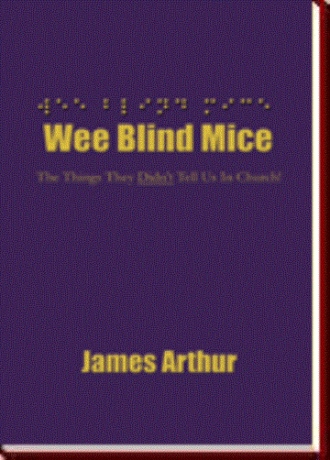
The author takes the reader through a litany of Christian doctrinal precepts that are in complete disagreement with the original Hebrew manuscripts. The obvious contradictions are pointed out, using the dogma that has been taught by the churches to unwary, misinformed seekers of truth, juxtapositioned with the literal scriptural meanings of the originally inspired writings. The premise brought forth by the author is that the students of scripture should have done as the Bible admonished us to do, that is, prove all things and hold fast to the things that are true. Not blindly accept teachings that do not conform to the written words in the scriptures. The questions asked by the author in the introduction should have been asked by everyone who was ever exposed to Christianity. Regrettably, most church-goers are “sheeple;” lacking the insight (for they are blind), the fortitude (for they are weak), the diligence (for they lack passion), to ask the questions (for they are not really that interested) that should have been asked centuries ago. Because the Christian teachings are so deceptively simple for most people to grasp, people are quite easily deceived into believing they know the truth. Peer pressure and a desire to be part of the majority keeps everyone from asking what should be obvious questions about what they have been taught. The Introduction sets the agenda through a series of questions, and outlines the issues that are discussed throughout the book.
Formats

Book Details
About the Book
Why is our Country growing increasingly more disliked and distrusted throughout the world today?
About the Author