
12 DAYS OF GHANA
by
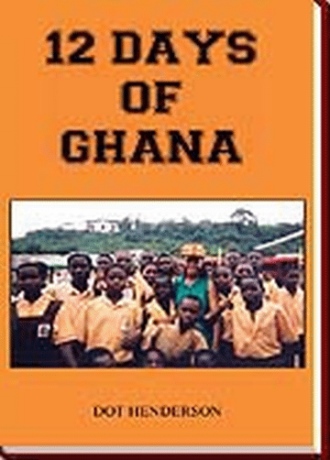
Book Cover & Preview Text
Journal Entry…
We slept later today and the tour guides picked us up around 0900
hours. Today’s itinerary was to tour
Cape Coast, the capital of the Central Region, is one of the most
historic cities in
We got off the bus and walked up to this door that opened up to the
courtyard of a forte. Actually, this
forte was called
We met the curator who gave us a formal tour. There was a charge of 5000 Cedis for still photos and 10,000 for video. Much of the early trade took place from this
coast; gold, ivory, pepper and eventually slaves. Listening to the curator, as he outlined
history for us, was heart breaking. As I
stood on the grounds of the forte, I could almost feel the torment that my
ancestors experienced during their capture.
Looking out into the
Initially, the Portuguese bought
Formats

Book Details
About the Book
The trip to
There were a couple of occasions
when I felt I had completed the book and the computer destroyed the disk. It did save the material on the hard drive
but I had to go in and reformat everything.
This was an indication that something had been omitted. On one such occasion, I went back and added
the Bible Scriptures. Because we began
the tour each day with a prayer, the scriptures are used to begin each day’s
experience.
About the Author
Dot