
EYE OF THE CONDOR
a novel by
by
Book Cover & Preview Text

Prologue
Ocampo, Bolivia
May, 1933
The condor soared effortlessly at
sixteen thousand feet above sea level, held aloft by the frigid air currents
under its nine-foot wingspan. It glided
without movement, suspended like a weightless black cross in the pale blue sky
above the long Andean valley, scanning the bleak terrain two thousand feet
below. Snow capped peaks towered
majestically above the giant bird on both sides. Its sharp eyes spotted a movement on the
valley floor, and the condor banked slowly in a huge circle.
Carlos Obregon
stopped his work, bracing his calloused brown hands on the worn handle of his
wooden foot plow, the same type that his Aymara
ancestors had used for over eight hundred years, and tracked the bird's path
through the clear atmosphere. Although
the sun was behind him, he squinted at the brightness of the high snow and the
sky. He knew the condor had seen
something, observing that the circles were gradually decreasing, along with the
altitude, marveling at the condor's ability to spot a prey from that
height. His people blessed a newborn
male son by saying, "May he have the eyes of the condor, the speed of the
puma, and the patience of the llama."
Carlos took his eyes off the
circling bird, now almost directly above him, to look for the prey. He was not afraid for himself. Condors preferred dead carrion, and never
attacked a grown man - a newborn sheep or alpaca maybe, more likely a sick hen
or a rodent. Old stories, told at
nighttime in hushed, feeble voices, spoke of condors that snatched babies from
their cradles, bearing them aloft to rocky crags, never to be seen again, but
Carlos was skeptical. His ancestors had
thought the sun was borne across the sky by a giant condor every day, and he
certainly didn't believe that.
His eyes searched the plowed
field and found what he was seeking some fifty yards away. A wild hare, almost invisible against the
brown earth, crouched without movement in the broken sod, its long ears
flattened against its furry body. The
hare sensed the presence of a predator, and hoped to go undetected by remaining
motionless. An unwise tactic, thought
Carlos, but perhaps the hare's den is too distant to risk a run for it.
The condor was now only one
hundred yards above the ground, directly over the frightened hare, and
descending quickly. Suddenly the hare
broke into a mad dash, flinging clods of earth in the air as it wildly changed
direction, searching desperately for shelter.
The condor collapsed its wings and fell like a boulder. At the last minute it spread its wings to
cushion the shock, but still hit the ground with an explosion of black feathers
and dust. A wild piercing scream, like
that of a woman, rent the air. Carlos
did not know if the scream came from the condor, or the hare, or from another
world.
As the dust settled and the
blurred figures regained their identity, the condor stood with his wings
half-folded, the stunned hare imprisoned under one talon, its soft body
quivering. Carlos saw a flash of silver
and red as the giant bird gutted the animal in one stroke. Perched on top of its dying prey, the condor
turned and looked directly at Carlos, fixing him with a steady gaze for what
seemed an eternity. Its eyes burned red
in its ugly black head, like glowing coals in a bed of charcoal. Then the bird extended its massive wings in all their splendor, and rose regally into the air, carrying
the dead hare aloft.
Carlos felt no pity for the
hare. It had ventured too far from home,
seeking something better, and had paid with its life. But the condor's stare bothered him.
In the old days, before
Catholicism, his people had worshipped the condor. It was said that from its lofty heights in
the sky, the condor could see forever, even into the future. His ancestors had glorified the massive bird
as the god of destiny, able to forecast events to come. This must be an omen, thought Carlos, for he
had never seen a condor so close before, so aggressive, and never had one
stared at him as this bird had. Ten
years ago, he would have asked the kuraka for
the meaning, but the old diviner was now dead, gone to the land of perpetual
water. Perhaps Carlos' mother would know
how to interpret this sign.
While he pondered this, he saw a
low cloud of dust rising on the dirt road that reached his village from the
west. In the distance he could make out
a brown truck with high sideboards, a type he had not seen before. He decided to stop his plowing and walk into
the village, even though his work was not finished. Somehow he knew that the condor, its kill, and
the brown truck were connected, and that his life was about to change.
Formats

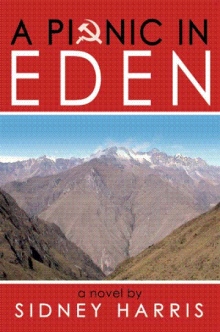
Book Details
About the Book
Dragged by force from his village
in the Bolivian highlands, Carlos Obregon is thrown into the Chaco War with
little training and incompetent officers.
Fighting in an unforgiving wasteland, Carlos needs all his resources to
survive as the Bolivian Army suffers defeat after defeat. At war’s end he swears to remedy the
injustice done to him and his fellow soldiers.
At
Carlos begins an affair with an
attractive blond German, who has traveled to
The novel recreates the chaos of
the Chaco War, the turmoil in Bolivian politics which followed,
the disaster of the Catavi massacre of miners, interwoven with a tragic love
triangle, betrayal of friends, and an explosive revolution.
About the Author
Sidney Harris has spent most of
his life working overseas, first in
He now resides in