
SEA SMOKE
by
Book Cover & Preview Text
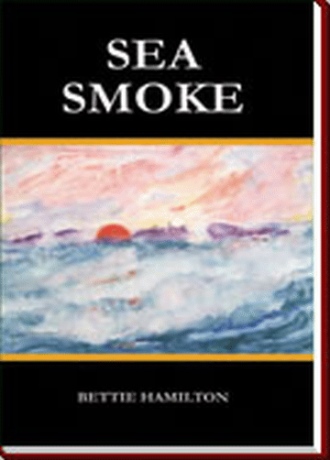
Sea smoke was rising in vaporous
clouds on
Enthralled, Leanora
Lantana watched for an hour from her studio on the harbor first sticking her
paint brushes in an old coffee tin of turpentine. Out front the incoming tide sucked sibilantly
against the rocks which resembled enormous chunks of marble, thus the fishing
town’s name, originally called
Seagulls; the common gray,
brownish spotted yearlings, and Great Northern black backs swooped past the
window, sailing and soaring high on a Northeast tail wind. A lobster boat sputtered down harbor with a
full contingent of gulls following as the lobster man jettisoned old bait.
Lea read the name “Dolly’s Sugar
Daddy” on the rusty side of the less than pristine once white lobster
boat. Another, “The Happy Hooker” followed. Boats like race horses were given strange and
provocative names. She laughed aloud
speculating whether Dolly’s Daddy had much sugar to give her? Lea was aware few fishermen earned a great
deal in Marblehead, Massachusetts, this three hundred fifty year old town on
the North Shore about eighteen miles
from Boston and halfway to Gloucester.
Wryly she reflected many local painters rarely did, as well. Artists and photographers were attracted by
the rocky coastline, a plethora of sail and lobster boats and the crooked,
narrow streets that once were cow paths.
At one time she’d precariously
climbed a ladder and painted a sign for the local Elks Club. She needed the money for art supplies and she
still considered it “painting”.
Framing and art supply stores
were where the profit really existed but for bone deep fishermen and painters
the bottom line remained firmly fixed; it was process not product that
mattered. It was time to pack it in and
quit in either profession if one did not passionately, even maniacally, love
what one did for its own sake. Not that
either calling was at all averse to being paid well for their efforts, indeed
both lusted after seed money in order to continue to do what they liked best.
In good or bad weather or good or
bad times both felt compelled to pursue their work from an inner conviction
that for them this was the only way to live.
Many ‘headers however would purchase fish and lobster
long before dreaming of purchasing a painting which was looked upon as an
unnecessary luxury. Yet the
public did turn out in goodly numbers when an art auction was held for a
charity benefit or scholarship. The hope was to bid as low as possible and acquire a bargain; a
piece of art done by a local artist whom they thought charged too much
anyway. Some often derisively laughed, “My five year old
could do better.”
Artists were solicited to give
their work free and of course nicely framed in return for their five minutes of
publicity and be gratified to contribute to a worthy cause. Most were pleased to donate money instead of
an expensive piece of art; as a group they were mostly generous, sensitive and
caring. A few cynically remarked, “Why will anyone buy the cow if the milk is
free?” and refused to give their work away but often gave money to the cause.
While Lea mused on the parallels
between her late fisherman father and her own vocation a loud explosion came
from the dirt cellar, a clattering, crashing noise. Alarmed, she raced barefoot to the door to
the cellar in the kitchen, opened it and flew down the rickety wooden steps
with the yellow Lab, Lucy at her heels.
Lea was always a little fearful some of the paints and solvents stored
in the cellar might implode. This was a
worry to all painters and printmakers most of whom were extremely careful. She looked around and all appeared in order
other than some debris around a tipped over rubbish barrel of oily rags she’d
planned to burn that day. Since she
could see no obvious damage she placed the barrel upright again and turned
around to collect the rags. She heard a
spitting, snarling sound. Under the
bottom step fierce, malevolent eyes were glaring at her. A large raccoon had somehow dug his way into
the dirt cellar and tipped the barrel over rummaging for food.
Formats





Book Details
About the Book
Bettie Hamilton wrote “Sea
Smoke,” laid in her 350 year old fishing town of
Thus began the saga of Lea, Tony
and Lucy, the yellow lab. Art, fishing,
clamming, sailing, cooking, romance and murder are
woven happily together in seven books.
Hamilton and husband live on
About the Author
Award winning artist, Bettie
Hamilton, lives on